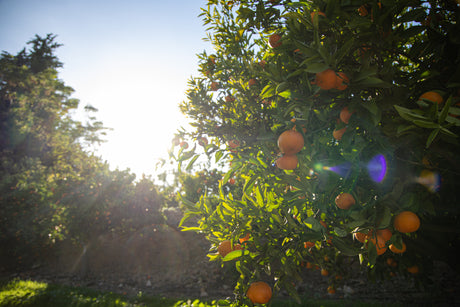

Mild, full of seeds, pure – rediscover sweet oranges
When we think of oranges, we usually picture bright orange fruits with a pleasant balance of sweetness and acidity. But beyond the well-known varieties lies an almost forgotten rarity: the original sweet orange. This special form of orange is rarely cultivated today, yet it is a true gem for connoisseurs. It tells a story of tradition, natural diversity, and a flavor that pleasantly distinguishes itself from modern mass-produced oranges.
An orange with a story
The original sweet orange dates back to a time when citrus fruits weren't bred for maximum shelf life, transportability, or standardized sizes. Back then, flavor was paramount. These fruits are somewhat smaller than standard oranges and contain significantly more seeds. What might seem inconvenient for quick consumption on supermarket shelves turns out to be a mark of quality for connoisseurs: seeds are often a sign of heirloom varieties that have been less manipulated and have retained their natural character.
Completely acid-free – a rare taste experience
The true highlight of these sweet oranges is their aroma. While many oranges rely on a fresh, sometimes sharp acidity, these fruits are almost completely acid-free. Their flavor is mild, well-rounded, and exceptionally sweet, without being bland. Juice and pulp meld together to create a harmonious overall impression that delights even sensitive palates. People who usually avoid citrus fruits because they "upset their stomach" often discover a surprisingly well-tolerated alternative here.
Pure enjoyment: eaten fresh
The purest form of enjoyment is peeling a sweet orange, inhaling its delicate aroma, and slowly savoring its juicy flesh is a small ritual of slowing down. Its lack of acidity makes it an excellent snack, even for children or the elderly. Its mild flavor invites mindful eating and allows the natural sweetness to work its magic – all without added sugar.
Gentle juice for sensitive palates
Sweet oranges also reveal their unique character when juiced. Freshly squeezed, they produce a pleasantly sweet, very mild orange juice that differs significantly from conventional juices. It is ideal for people with sensitive stomachs or for anyone who prefers to avoid acidity in the morning. It's particularly interesting when combined with still water or used as a base for gentle breakfast drinks, perhaps with banana or pear.
Versatile in the kitchen
The uses of sweet oranges extend far beyond their pure enjoyment. In the kitchen, they open up exciting new possibilities. In desserts, they can partially replace sugar, as their natural sweetness is very pronounced. Whether in cakes, tarts, puddings, or sorbets – they provide a well-rounded flavor without any acidic notes. Sweet orange marmalades are also something very special: mild, fruity, and perfect for anyone who finds classic orange marmalade too tart.
Hearty combinations – a hidden gem
Sweet oranges also hold their own surprisingly well in savory dishes. In salads, they harmonize wonderfully with fennel, avocado, or mild goat cheese. Their sweetness creates an exciting contrast to tart or salty components. In hot dishes, sweet oranges can be used to refine sauces, for example, for poultry or mild fish. Unlike acidic oranges, they don't overpower the natural flavor of the ingredients, but rather subtly enhance it.
More than just pulp: peel and fragrance
Even the peel of the sweet orange is versatile – provided the fruit comes from organic farming (as is the case here). Finely grated, it's excellent for flavoring baked goods, creams, or drinks. Dried peels release a warm, sweet fragrance and can be used in tea blends or as a natural room fragrance. The mild orange also finds its place in natural cosmetics, for example in bath additives or homemade scrubs.
A fruit of mindfulness
The original sweet orange symbolizes a more conscious approach to food. It isn't perfectly standardized, seedless, or bred for maximum yield. Instead, it offers us an honest, unadulterated flavor and reminds us that quality often comes quietly. Those who open themselves to this fruit discover not only a rare citrus fruit but also a piece of lost diversity.
Conclusion: A rarity with a future
Sweet oranges are more than just an alternative to the classic orange. They are a delight for all the senses, versatile in their uses, and particularly easy to digest. In a time when many people are rediscovering original, natural foods, these almost forgotten fruits have the potential to be revived. Perhaps their greatest strength lies precisely in their mildness – and their place on our plates is more than deserved.
Unfortunately, this variety is only available in limited quantities here, so it's best to try it when it's available in the online shop!
Did you know?
Did you know that the first oranges brought to Europe were significantly sweeter than many of today's varieties? The acidity we often associate with oranges today was only emphasized through later breeding efforts to make the fruit more durable and easier to transport. Original sweet oranges, on the other hand, ripen more slowly on the tree, developing more natural sugars and retaining their mild character. Their numerous seeds are no accident, but rather a sign of their origin – making them a vibrant piece of cultural and culinary history that is rarely found today.